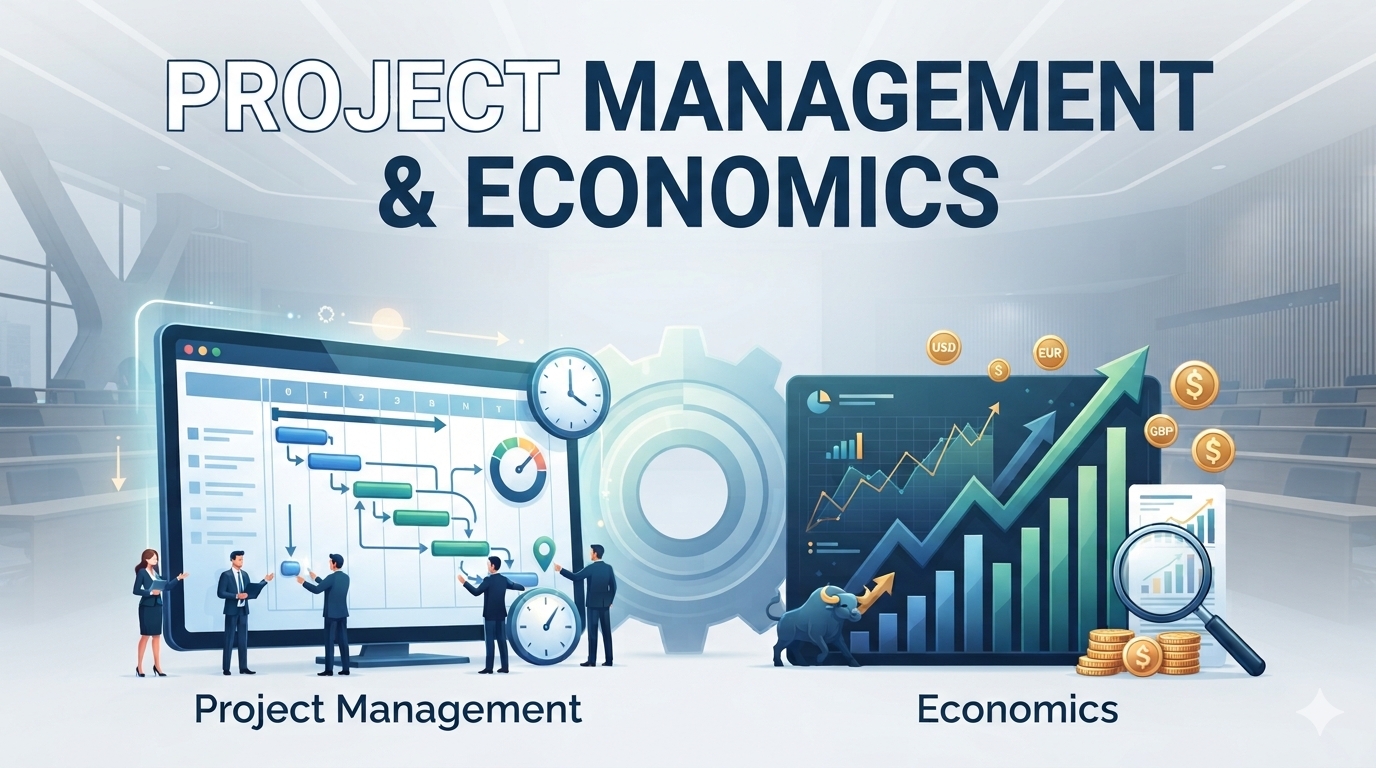
This course introduces the fundamental principles of project management and economics. It covers project planning and scheduling, procurement and contract management, risk management, and project closure with lessons learned. The course also includes basic economic evaluation techniques for analyzing project alternatives and supporting decision making. Students will be able to apply appropriate tools and methods to manage and evaluate projects effectively.
This course provides a comprehensive exploration of the principles, strategies, and tools necessary for optimizing industrial energy consumption while driving climate resilience. Students will gain in-depth knowledge of energy fundamentals, audit methodologies, and intensity monitoring, with a specialized focus on enhancing efficiency in thermal systems (heat exchangers, boilers, and furnaces) and industrial processes. Beyond technical optimization, the curriculum integrates climate management fundamentals and hazard identification tools to mitigate environmental risks within energy systems. Through feasibility analysis and integrated climate frameworks, students will learn to align operational efficiency with global decarbonization goals. By examining industry best practices and case studies, participants will be equipped to lead sustainable energy projects that ensure competitive advantage and long-term environmental stewardship.